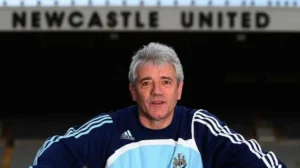
Kevin Keegan, one of the most charismatic and influential figures in football history, has died at the age of 75, leaving behind a remarkable legacy as a world-class player, manager, and beloved figure among supporters.
Keegan’s career was defined by determination, passion, and an unmatched ability to connect with people. From his rise at Liverpool, where he became one of the greatest players in the club’s history, to his unforgettable years with Hamburg, Southampton, and Newcastle United, he left an indelible mark on the sport.
Born in Armthorpe, Doncaster, Keegan began his professional career with Scunthorpe United before being discovered by Liverpool manager Bill Shankly, who signed him in 1971. The move proved to be one of the most significant decisions in Liverpool’s history, as Keegan quickly developed into a key figure in the club’s golden era.
During his time at Liverpool, Keegan helped the club win multiple major trophies, including three First Division titles, the European Cup, the FA Cup, and two UEFA Cups. His partnership with John Toshack became one of the most memorable attacking combinations in English football.
Keegan’s final match for Liverpool came in the 1977 European Cup final, where he helped the club defeat Borussia Mönchengladbach before moving to Germany to join Hamburg. There, he reached the peak of his individual career, winning the prestigious Ballon d’Or in 1978 and 1979 and establishing himself as one of the world’s best players.
After returning to England with Southampton, Keegan continued to impress, winning the PFA Players’ Player of the Year award in 1982. He later joined Newcastle United, where he became an instant hero among supporters.
His first spell at Newcastle as a player helped revive the club’s fortunes, and his connection with the fans grew even stronger when he returned as manager in 1992. Keegan transformed Newcastle from a struggling side into one of the most exciting teams in English football, leading them back to the Premier League and guiding them to a memorable title challenge during the 1995–96 season.
Although Newcastle narrowly missed out on the Premier League title, Keegan’s attacking style and emotional connection with the club made him a legend on Tyneside. His famous “I will love it if we beat them” speech during the title race remains one of the most iconic moments in Premier League history.
Keegan later managed Fulham, England, and Manchester City. As England manager, he guided the national team to qualification for Euro 2000 but resigned in 2000 after a defeat against Germany in the final match at the old Wembley Stadium.
At Manchester City, Keegan helped the club return to the Premier League, building an entertaining attacking team and creating memorable moments for supporters.
Though his second spell as Newcastle manager in 2008 ended after disagreements with the club’s leadership, Keegan remained deeply loved by fans. His honesty, enthusiasm, and emotional approach to football made him one of the most recognizable personalities in the game.
Throughout his life, Keegan was admired not only for his football achievements but also for his character. He was remembered as passionate, hardworking, humble, and genuine — qualities that made him special to teammates, supporters, and the wider football community.
News of his passing has prompted tributes from across the football world, with fans and former players celebrating a man who helped shape generations of the sport.
Kevin Keegan’s influence on football will never be forgotten. His achievements, personality, and unforgettable moments will continue to inspire supporters around the world.
Rest in peace, Kevin Keegan. A true football legend whose legacy will live on forever.